Insect Refuges
India's first insect refuge, running at Padma Farms, Mysore. The plan: one refuge in every district of India.
Home / Programmes / National HIVEway
Designed · seeking partnersBee-forage nano-forests along national highways, cared for by honey-gathering tribal communities.
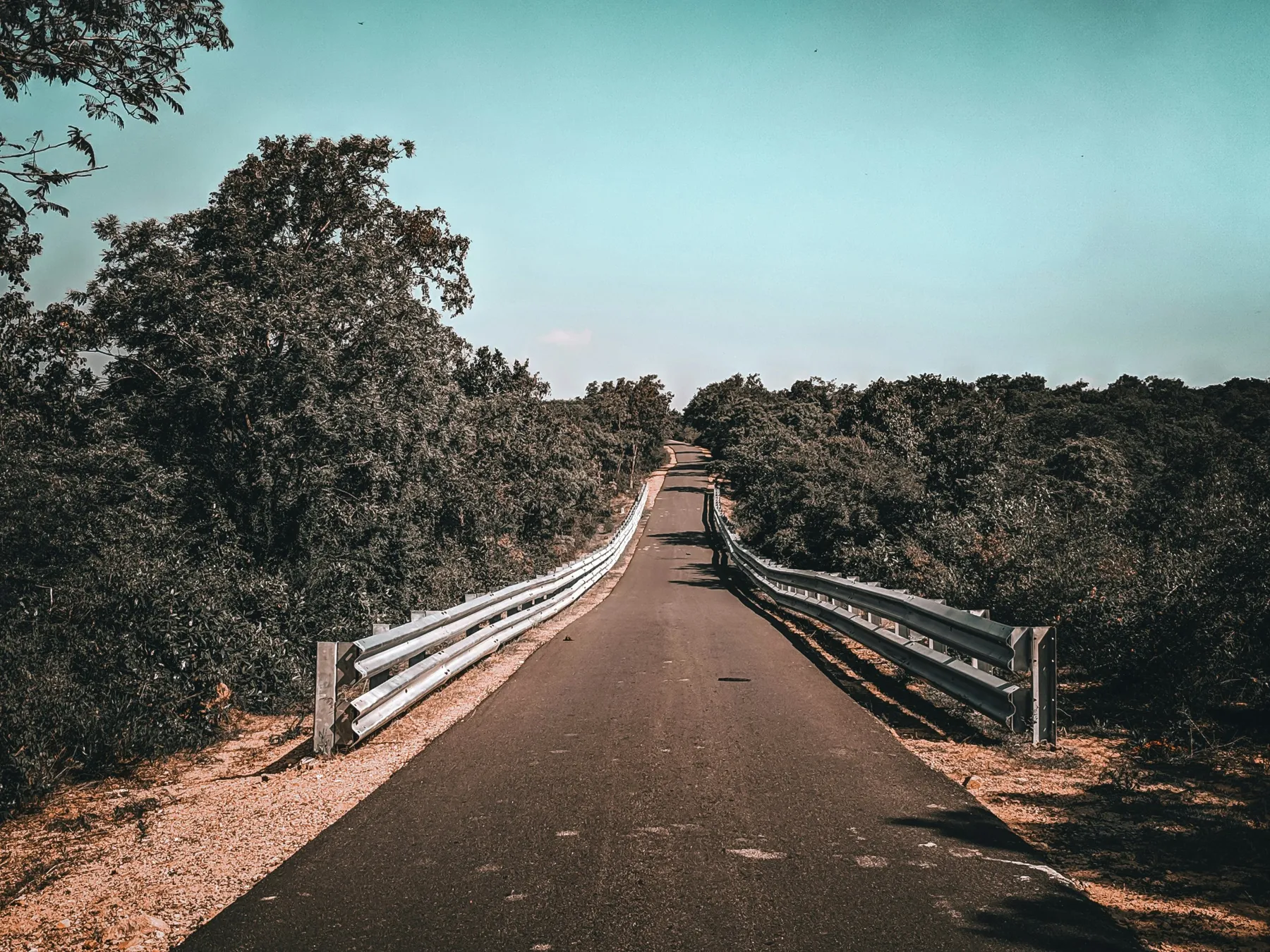
Programme targets from the HIVEway design, to be refined with the implementing partner.
India's bee population is estimated to have halved. Forest cover stands below 22%, over 30% of fertile land is degrading, and food insecurity threatens around 10 crore people. Bees pollinate most of what we eat; without them, every other effort for food security is weakened.
Stretches along the national highways are mapped and planted as nano-forests of fruit and flower species that bees forage on. Local tribal and honey-gathering communities are trained and equipped to manage them, earning from honey and horticulture. Every 150–200 km, a HIVEway Arcade sells honey and produce and demonstrates the skills behind them.
| Component | When | Budget |
|---|---|---|
| Corridor mapping with highway authorities | Phase 1 | On request |
| Nano-forest planting and community training | Phase 2 | On request |
| HIVEway Arcades every 150–200 km | Phase 3 | On request |
Highway and transport authorities, CSR programmes of infrastructure and FMCG companies, and the National Beekeeping and Honey Mission are natural partners.
We share the full programme document, budget and implementation plan with prospective partners.
Every programme is costed and ready to adapt to your region. Tell us your interest and we will send the full brief.
India's first insect refuge, running at Padma Farms, Mysore. The plan: one refuge in every district of India.
Beehive fences that keep elephants away from farms and homes, saving lives on both sides and earning honey income.
A total-solution approach to climate disasters at village scale, starting with Maharashtra.